
The Ultimate Guide to Cut Flowers: Types, Meanings, Care, Seasons and Buying
The complete reference to cut flowers — every major flower, what they mean, how to care for them, what is in season, where they come from, and how wholesale buying works. The one guide that links to everything.
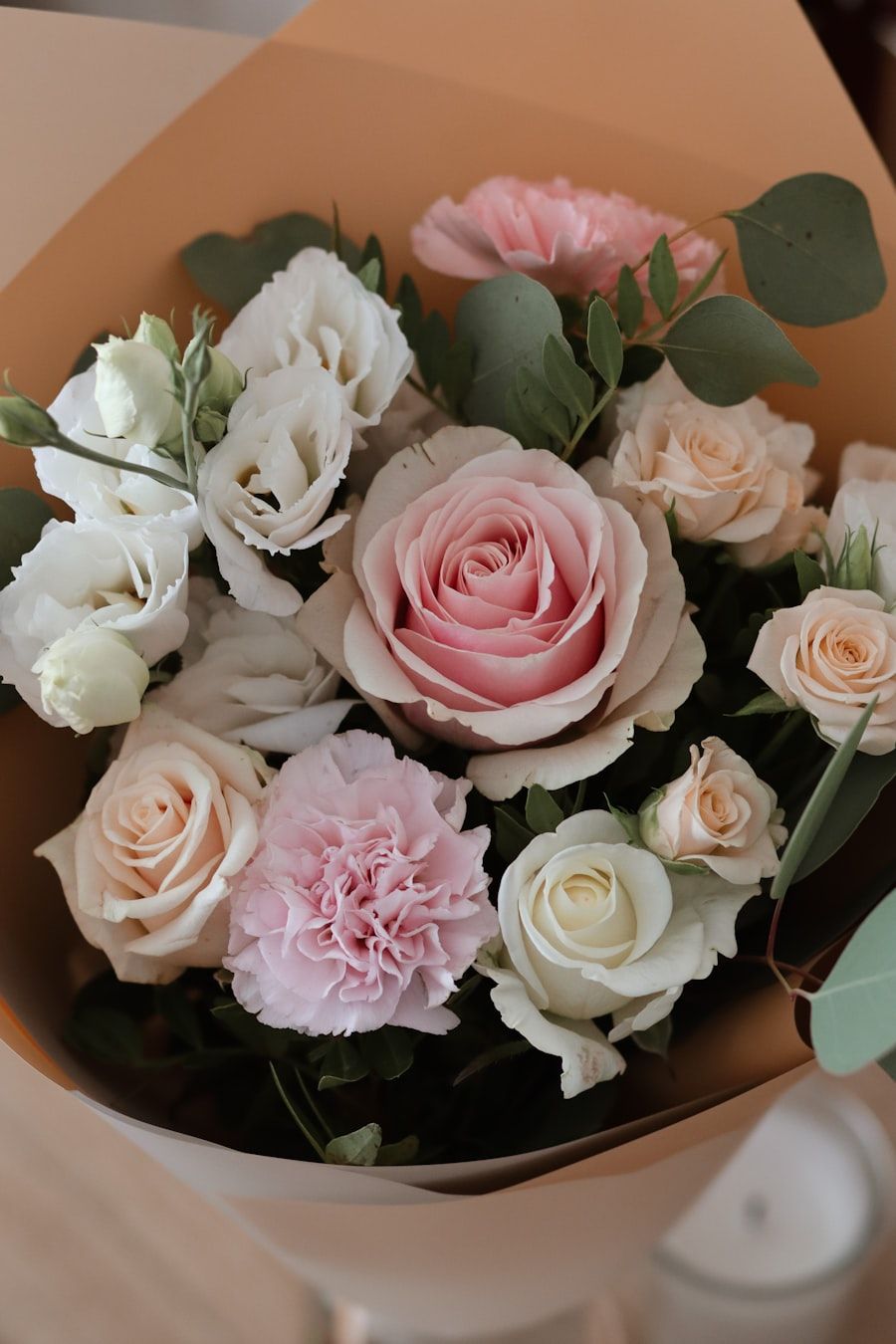
This is the big one: a single, comprehensive reference to cut flowers, written for everyone who works with them and everyone who loves them — florists, wholesalers, event designers, and anyone who has ever wanted to understand the flowers they buy. It gathers, in one place and in plain language, what the flowers are, what they mean, how to keep them alive, what is in season when, where they come from, and how the trade that moves them actually works. Use the table of contents to jump to what you need, or settle in and read the whole thing. Wherever a topic has its own dedicated guide on our site, we link to it so you can go deeper.
How to use this guide
Think of this as the map and the individual guides as the territory. Each major section here is a complete overview that stands on its own, with comparison tables you can scan in seconds, and a link to a deeper guide where one exists. If you are a consumer, the sections on types, meanings, colours, birth flowers, occasions and care are for you. If you are a buyer or florist, add the sections on vase life, seasonality, origins, wholesale buying, the holiday calendar and sustainability. Nobody needs to read it top to bottom in one sitting — but everything you might want to know about cut flowers is here.
A short history of cut flowers
People have cut flowers to bring beauty indoors, mark occasions and send messages for thousands of years — from ancient Egyptian garlands to the elaborate Victorian "language of flowers," in which a carefully chosen posy carried a coded message. What changed everything in the modern era was refrigeration and air freight: together they turned flowers from a local, seasonal luxury into a global, year-round product. Today a rose cut on a high Andean farm in the morning can be in a European or North American shop within a few days, in the same condition it left the field — provided the cold chain never breaks. That single fact underpins the entire modern flower trade, and it runs through this whole guide.
The main types of cut flowers
Botanists classify flowers by family; florists classify them by the job each does in a design. Almost every cut flower you buy is one of four functional types, and understanding them is the key to both arranging and costing bouquets.
| Type | Role in a design | Examples | Relative cost |
|---|---|---|---|
| Focal | The eye-catching centrepiece | Roses, hydrangeas, large chrysanthemums, peonies, lilies | Higher |
| Secondary | Colour and spread around the focals | Spray roses, spray carnations, lisianthus, alstroemeria | Medium |
| Filler | Cheap volume and texture | Gypsophila, limonium, waxflower, solidago | Low |
| Foliage | The frame that sets the shape | Eucalyptus, ruscus, ferns | Low |
A balanced bouquet almost always combines all four — a few focals for impact, secondaries for spread, fillers for volume and greenery for the frame. Flowers also come in recognisable forms — round/mass (roses), line/spike (delphinium, gladiolus), spray (branched), and airy (gypsophila) — and mixing forms is the classic recipe for a well-composed arrangement. For the full breakdown, see our A–Z guide to types of flowers.
The world's most popular cut flowers
A handful of flowers do most of the work in the global trade, chosen for beauty, versatility, availability and vase life. Here are the ones you will meet most often.
| Flower | Why it is popular | Typical vase life |
|---|---|---|
| Rose | The universal flower of love and luxury | 1–2 weeks |
| Carnation | Huge colour range, exceptional vase life, low cost | 2–3 weeks |
| Chrysanthemum | Versatile, durable, anchors the tribute season | 2–3 weeks |
| Hydrangea | Big, lush blooms for instant volume | 5–10 days |
| Lily | Dramatic, fragrant, opens in sequence | 1–2 weeks |
| Tulip | The face of spring | 5–7 days |
| Gerbera | Cheerful, bold, everyday appeal | 1–1.5 weeks |
| Sunflower | Warm, iconic, summer favourite | 6–10 days |
| Gypsophila | Airy volume, now a design flower in its own right | 1.5–2+ weeks |
| Orchid | Exotic luxury, long-lasting | 1.5–3 weeks |
| Peony | Romantic, seasonal, highly sought-after | 4–7 days |
| Alstroemeria | Friendly, colourful, great value | 1.5–2 weeks |
The next sections look more closely at the flowers that form the backbone of most programs.
Roses: the complete rundown
The rose is the single most important product in the flower trade. It anchors Valentine's Day — the world's largest flower event — and appears in more arrangements than any other flower. Roses are graded chiefly by stem length (40–90cm+) and head size, and colour changes their meaning entirely.
| Rose colour | Meaning |
|---|---|
| Red | Love and passion |
| Pink | Gratitude and admiration |
| White | Purity, weddings, sympathy |
| Yellow | Friendship and joy |
| Orange | Enthusiasm and energy |
| Lavender | Enchantment, love at first sight |
Longer stems and larger heads command higher prices, but the skill is matching grade to the job — 40–50cm for everyday bouquets, 60–90cm for luxury and events. The red-rose peak of Valentine's is grown to order months ahead, so committing volume early is the single most valuable decision a rose buyer makes. Go deeper in our complete guide to wholesale roses and our guide to rose colours and their meanings.
Carnations: the smartest value in the trade
Long dismissed as a filler-shop flower, carnations are now one of the smartest buys in floristry. They offer extraordinary vase life (two to three weeks or more), a colour range no other flower matches — including tinted blues and novelty shades that do not occur naturally — and a price that protects margin. They come as standard (one large bloom per stem, a focal) and spray/mini (several blooms per branched stem, a secondary/filler). Because they last so long and cost so little, carnations lower the average waste of a whole range. Full detail in our complete guide to carnations.
Chrysanthemums: the durable workhorse
One of the most-produced cut flowers in the world, the chrysanthemum is versatile, remarkably long-lasting and the anchor of the All Saints' / Day of the Dead tribute season (1–2 November) across Europe and Latin America. It comes as disbud (one large bloom per stem, grown by removing side buds) and spray (several blooms per stem), in an enormous range of forms — daisy, decorative, pompon, spider, football — and colours, including natural greens. Its toughness and longevity make it a dependable, margin-friendly line. See the complete guide to chrysanthemums.
Hydrangeas: maximum impact per stem
Few flowers deliver as much visual impact as the hydrangea — one dense, rounded head does the work of a whole handful of smaller flowers, which makes it a wedding and luxury favourite. Hydrangeas are graded primarily by head diameter, and they come in a distinctive palette: true blues, pinks, whites, greens and prized antique tones late in the season. Their one demand is water — they are exceptionally thirsty and drink through the bloom as well as the stem, so hydration on arrival is everything (a wilted head can often be revived by submerging it in cool water). Full care and buying detail in our complete guide to hydrangeas.
Gypsophila, fillers and greenery
Fillers and greenery are the quiet economics of the trade: they make a bouquet look full and finished for a fraction of the cost of focal flowers. Gypsophila (baby's breath) is the classic, now also used massed as a design flower in its own right; limonium, waxflower and solidago add other textures; and greenery — above all eucalyptus, plus ruscus and ferns — frames the design and often outlasts the flowers. A balanced bouquet is roughly a third focal, a third secondary, a third filler-and-green, and that last third is where cost is controlled. Deep dive in our guide to gypsophila and filler flowers.
Other flowers worth knowing
Beyond the big four, a well-rounded buyer knows the supporting cast — the seasonal stars and dependable secondaries that round out a range.
| Flower | Character | Best used for |
|---|---|---|
| Tulip | The face of spring; keeps growing in the vase | Spring bouquets, seasonal displays |
| Lily | Dramatic and fragrant; opens in sequence | Statement arrangements, sympathy |
| Gerbera | Cheerful, bold, low-scent | Birthdays, get-well, everyday |
| Sunflower | Warm and iconic | Summer, congratulations, friendship |
| Orchid | Exotic, luxurious, long-lasting | Luxury gifting, corporate, events |
| Peony | Lush and romantic; short season | Spring weddings, luxury |
| Alstroemeria | Colourful, friendly, great value | Everyday, friendship bouquets |
| Lisianthus | Rose-like elegance, softer | Weddings, refined bouquets |
| Ranunculus | Delicate layered blooms; cool-season | Spring events, romantic design |
| Dahlia | Bold, varied; late-summer star | Autumn weddings, statement pieces |
Flower meanings and symbolism
Flowers have always carried messages — love, gratitude, sympathy, celebration. The associations below draw on mythology, religion and the Victorian "language of flowers," and while they vary a little by culture, the core meanings are widely shared and genuinely useful when you want a bouquet to say something.
| Flower | Core meaning |
|---|---|
| Rose | Love (varies by colour) |
| Carnation | Fascination, gratitude, a mother's love |
| Lily | Purity, devotion, sympathy |
| Tulip | Perfect love, spring, new beginnings |
| Sunflower | Adoration and loyalty |
| Chrysanthemum | Loyalty and honesty; remembrance in Europe, long life in Asia |
| Hydrangea | Heartfelt emotion, gratitude |
| Orchid | Luxury, strength, refinement |
| Peony | Prosperity and a happy marriage |
| Gerbera | Cheerfulness and innocence |
Meanings are not universal — chrysanthemums signify remembrance and funerals across much of Europe, but long life and joy in parts of Asia; white is bridal in some cultures and mourning in others. When flowers cross borders, the local reading matters. Full reference in our guide to flower meanings and symbolism.
Flower colours and their meanings
Colour often changes a flower's message more than the flower itself. This is the reference people reach for most.
| Colour | Meaning |
|---|---|
| Red | Love, passion, deep respect |
| Pink | Affection, gratitude, admiration |
| White | Purity, sympathy, new beginnings |
| Yellow | Friendship, joy, warmth |
| Orange | Enthusiasm, energy, confidence |
| Purple | Admiration, dignity, success |
| Blue | Calm, trust, the rare and sought-after |
| Green | Renewal, health, good fortune |
The classic trap is yellow in a romantic context: warm and lovely for friends, but it reads as "friendship," not "love."
Birth flowers by month
Like birthstones, each month has a birth flower (often two), carrying its own meaning — a lovely way to make a birthday bouquet personal.
| Month | Birth flower | Meaning |
|---|---|---|
| January | Carnation | Love, fascination |
| February | Violet | Faithfulness |
| March | Daffodil | New beginnings |
| April | Daisy | Innocence |
| May | Lily of the Valley | Sweetness, humility |
| June | Rose | Love, devotion |
| July | Larkspur | Positivity |
| August | Gladiolus | Strength of character |
| September | Aster | Wisdom, faith |
| October | Marigold | Warmth, creativity |
| November | Chrysanthemum | Loyalty, joy |
| December | Narcissus | Hope, good wishes |
The full month-by-month breakdown, including secondary flowers and seasonal substitutions, is in our birth flowers by month guide.
The best flowers by occasion
Each occasion has flowers that fit it and flowers that miss. This table maps the common ones.
| Occasion | Best flowers | Avoid |
|---|---|---|
| Birthday | Gerberas, roses, bright mixed | Sombre all-white |
| Romance | Red roses, red tulips, peonies | Yellow (reads as friendship) |
| Sympathy | White lilies, chrysanthemums, white roses | Loud brights |
| Get well | Gerberas, sunflowers, bright mixed | Strongly scented lilies (hospitals) |
| New baby | Soft pastels, gerberas | Heavy dark tones |
| Thank you | Pink or peach roses, carnations | — |
| Congratulations | Sunflowers, orange roses, bright mixed | Sympathy whites |
For the full occasion-by-occasion guide, see the best flowers by occasion.
Flowers in season by month
Buying with the season means better quality, better prices and fresher flowers — though equatorial farms also supply year-round staples (roses, carnations, chrysanthemums, hydrangeas, gypsophila) every month. The seasonal highlights:
| Season | In-season stars | Palette |
|---|---|---|
| Spring | Tulips, daffodils, ranunculus, peonies | Soft pastels |
| Summer | Sunflowers, dahlias, lisianthus, garden roses | Bright, bold whites |
| Autumn | Dahlias, chrysanthemums, antique hydrangea | Rust, gold, burgundy |
| Winter | Amaryllis, roses, evergreens | Deep red, white, green |
The month-by-month detail is in our flowers in season by month guide.
Vase life: which flowers last longest
Vase life is the number that decides value and waste. Biology sets the ceiling; handling and the cold chain decide how close you get.
| Flower | Typical vase life |
|---|---|
| Carnation | 2–3 weeks |
| Chrysanthemum | 2–3 weeks |
| Alstroemeria | 1.5–2 weeks |
| Gypsophila | 1.5–2+ weeks |
| Rose | 1–2 weeks |
| Lily | 1–2 weeks |
| Gerbera | 1–1.5 weeks |
| Sunflower | 6–10 days |
| Hydrangea | 5–10 days |
| Tulip | 5–7 days |
| Dahlia | 4–7 days |
Anchor a range with the long-lasting champions and treat the short-lived beauties as the seasonal treats they are. Full ranking in our longest-lasting cut flowers guide.
How to keep cut flowers fresh
Flower longevity is mostly a handful of simple habits, and getting them right can double how long flowers last. A cut flower fades for four reasons — dehydration, bacteria blocking the stem, spent energy reserves, and ethylene gas — and almost every care tip slows one of them down.
| Do | Don't |
|---|---|
| Re-cut stems at an angle every 2–3 days | Leave stems uncut or crushed |
| Use clean vases and fresh water | Reuse cloudy old water |
| Add flower food at the right dose | Rely on plain tap water |
| Strip leaves below the waterline | Let foliage rot in the water |
| Keep flowers cool and shaded | Put them in sun, near heat or fruit |
| Remove faded blooms promptly | Let dying stems infect the rest |
Flower food genuinely works — it feeds the bloom, helps water uptake and controls bacteria. And keep flowers away from the fruit bowl: ripening fruit releases ethylene, which wilts many flowers early. The complete method, including reviving wilted stems, is in our guide to keeping cut flowers fresh longer.
Understanding the cold chain
Here is the single most important idea in the whole flower trade: vase life is decided long before the vase. A cut flower is a living thing running down a clock, and warmth speeds every process that ages it — respiration, water loss, bacteria and ethylene. The cold chain is the unbroken sequence of refrigerated handling — cooling at the farm, refrigerated transport, cool storage, careful delivery — that keeps flowers cold and stable from harvest to buyer. Hold a flower cold and stable the whole way and you preserve the vase life it was grown with; let it warm up, even briefly and repeatedly, and you spend that vase life before the customer ever sees it. This is why a cheap box with a broken cold chain is the most expensive flowers you can buy, and why the cold chain is the first thing a serious buyer asks about. Full detail in our cold chain and post-harvest handbook.
Where cut flowers come from
Most of the world's cut flowers come from a small number of ideal growing regions. Colombia and Ecuador lead for roses, carnations and hydrangeas, thanks to high-altitude, equatorial farms with intense, consistent light and cool nights; the Netherlands is the historic trading and growing hub of Europe; and Kenya and Ethiopia supply large volumes to European markets.
| Origin | Known for | Advantage |
|---|---|---|
| Colombia | Roses, carnations, hydrangeas, bouquets | Scale, variety, consistency, proximity to the USA |
| Ecuador | Large-headed roses, premium quality | Altitude gives big heads and long stems |
| Netherlands | Trading hub; tulips, specialty | The world's auction and logistics centre |
| Kenya / Ethiopia | Volume roses | Efficient supply into Europe |
Working across more than one origin lets a supplier match each product to the region that grows it best and protects a program against any single farm's bad week. For the buyer's view, see our guide to importing flowers from Colombia and Ecuador.
How wholesale flower buying works
Behind every shop bouquet is a wholesale supply chain with its own language. A few essentials:
Grades classify flowers by measurable quality — stem length (in cm), head size, uniformity and freshness — so you can buy a crop you have not seen. Bunches are the standard unit (commonly 10, 20 or 25 stems); knowing the count lets you work out a true price per stem. Boxes are the shipping unit, and because freight is charged largely by volume and weight, fuller boxes lower the cost per stem.
| Box code | Name | Relative size |
|---|---|---|
| EB | Eight-bunch / jumbo / full box | Largest |
| HB | Half box | Half the full length |
| QB | Quarter box | A quarter of full |
Price stacks up from the farm cost (grade and variety), freight (perishable, mostly by air under refrigeration), the grade, and the season (peaks lift prices market-wide). The biggest buyer mistake is spot-buying in the final week before a peak — paying whatever the tight market asks and taking whatever grades are left — instead of committing volume ahead of the season. Deeper guides: how to choose a wholesale flower supplier, flower grading standards explained, flower box types and packing, how wholesale flower pricing works, and the wholesale flower buyer's glossary.
The flower holiday calendar and peaks
Demand for flowers is anything but flat. A handful of set-piece peaks dominate the year, and each is grown to order months ahead — so the buyers who get the grades and colours they want are the ones who committed early.
| Peak | Date | Lead flower |
|---|---|---|
| Valentine's Day | 14 February | Red roses |
| International Women's Day | 8 March | Roses, mixed (huge in Eastern Europe) |
| Mother's Day | Varies by country (Mar–May) | Roses, mixed |
| All Saints' / Day of the Dead | 1–2 November | Chrysanthemums |
| Lunar New Year | Jan–Feb | Colour-and-symbolism peak (Asia) |
| Christmas & Advent | December | Reds, whites, textured greens |
Work backwards from each peak your program serves, add the farm's preparation window, and commit before it closes — for the big rose peaks, that means booking in the previous quarter. See our global flower holiday calendar and Valentine's Day 90-day countdown.
Wedding flowers
Weddings sit right where beauty meets budget, and the secret to both is knowing what is in season and where the money goes. Buy in season, spend on the pieces seen most (the bridal bouquet, the top table), and build volume with generous greenery and long-lasting supporting flowers.
| Season | Wedding stars | Palette |
|---|---|---|
| Spring | Peonies, tulips, ranunculus | Blush, peach, lilac |
| Summer | Garden roses, dahlias, lisianthus | Brights, bold whites |
| Autumn | Dahlias, chrysanthemums, antique hydrangea | Rust, burgundy, gold |
| Winter | Roses, amaryllis, evergreens | Deep red, white, green |
Full planning detail in our wedding flowers by season and budget guide and our complete guide to wedding flowers for florists.
Sustainability and certifications
Sustainability is now a buying criterion, not a nice-to-have. Genuine sustainability rests on three pillars — environmental (water, reduced chemicals, waste, carbon), social (fair wages, safe conditions) and economic (viable farms) — ideally verified by independent certification.
| Certification | Focus |
|---|---|
| Florverde | Social & environmental (strong in Colombia) |
| Rainforest Alliance | Environment, biodiversity, worker wellbeing |
| MPS | Environmental and social registration (international) |
| Fairtrade | Fair terms and a worker premium |
| GLOBALG.A.P. | Farm-level good agricultural practice |
On air freight, the honest picture is nuanced: it carries a real carbon cost, but equatorial farms growing in natural year-round light can have a lower growing footprint than heated greenhouses in cold climates. The responsible approach is to measure, reduce and inform. Full detail in our guide to sustainability and certifications in floriculture.
A glossary of flower-trade terms
- Grade — quality classification by stem length, head size, uniformity and freshness.
- Focal / secondary / filler / foliage — the four functional roles of flowers in a design.
- Disbud — a large single bloom grown by removing side buds; spray — several blooms per branched stem.
- Vase life — how long a flower stays attractive after purchase.
- Cold chain — unbroken refrigerated handling from harvest to buyer.
- Ethylene — invisible plant hormone that speeds ageing; produced by fruit, decay and flowers.
- Guard petals — outer rose petals left on to protect the bloom in transit; meant to be removed.
- Bunch / box (EB, HB, QB) — the standard selling and shipping units.
- Shrinkage — flowers bought but never sold; the trade's quiet margin killer.
- Consolidation — combining products from several farms into one coordinated order.
The full 60+ term reference is in our wholesale flower buyer's glossary.
The journey of a flower: from farm to vase
To really understand cut flowers, it helps to follow one from the field to the vase. The journey is a race against time, run inside an unbroken cold chain, and every stage either preserves or spends the flower's finite reserves.
It begins with harvest, and timing is everything. Flowers are cut at a precise stage of maturity — tight enough to survive the journey, mature enough to open beautifully at the other end. A rose cut too open will blow past its peak in transit; one cut too tight may never open properly. Skilled harvesters read each variety and each day's conditions, cutting in the cool of the morning when the plant is most turgid.
Within minutes the flowers move into the cold. Field heat is the enemy, so good farms pre-cool the harvest fast — pulling the temperature down to slow respiration and lock in vase life. The flowers are then graded and bunched in cool conditions: sorted by stem length, head size and quality, stripped of lower foliage, and grouped into standard bunches. This is where the shared language of grades is created, the language that lets a buyer thousands of kilometres away trust what is in the box.
Next comes packing. Bunches are laid head-to-tail in boxes sized to protect them, braced so nothing shifts, with delicate heads cushioned. Hardy flowers travel dry-packed to save weight and cost; thirsty or sensitive ones travel in water. The boxes move — still refrigerated — to a dispatch hub near the airport, El Dorado in Bogotá or Quito in Ecuador, then fly refrigerated to a destination gateway. There they clear customs (with the phytosanitary paperwork that certifies plant health) and move on, still cold, to the importer, the wholesaler and finally the shop.
The whole trip can take just a few days, and if the cold chain never broke, the flower arrives with almost all the vase life it was grown with. If it warmed up at any transfer — a hot tarmac, an unrefrigerated van, a warm storeroom — that lost life cannot be recovered. This is why professionals judge a supplier less by the flowers in the good weeks and more by the discipline that keeps every link of that chain cold.
Arranging flowers: the basics
You do not need to be a florist to arrange flowers well, but a few principles make an enormous difference. The foundation is the one covered earlier: combine the four functional types — a few focal flowers for impact, secondary flowers for colour spread, fillers for volume and greenery for the frame. Skip the fillers and greens and a bouquet looks sparse and expensive to fill; use them generously and even a few focal flowers look abundant.
Balance the forms as well as the types. A satisfying arrangement usually mixes round or mass flowers (roses, carnations) with line flowers for height and direction (delphinium, snapdragon, gladiolus) and airy fillers for softness (gypsophila). Three different forms is a reliable recipe.
Colour is the next lever. The safest, most elegant choices are monochromatic (shades of one colour) or analogous (colours next to each other on the wheel — peach, coral, pink), anchored with white and green to let them breathe. A single complementary accent (a touch of the opposite colour) adds energy when used sparingly. Vary the height and let some flowers sit higher than others so the eye travels; work in odd numbers, which read as more natural than even; and turn the arrangement as you build so it looks complete from every side.
Finally, respect vase life when you combine flowers. Pairing a two-week carnation with a four-day dahlia means the bouquet ages unevenly, so either accept that the short-lived stars will need replacing or build around flowers with similar longevity when you want the whole thing to last.
Common flower problems and how to fix them
Even with good flowers, things go wrong. Most problems have a clear cause and a simple fix, and recognising them saves a lot of waste.
Drooping heads soon after arrival usually mean an air blockage or dehydration in the stem — the flower cannot drink. Re-cut two to three centimetres off the stem at an angle, under water if possible, and give it a long, deep drink in a cool place. For roses, this is the classic "bent neck," and an early re-cut often saves the stem.
Wilting hydrangeas are their own case: because hydrangeas absorb water through the whole flower head, a wilted one can often be revived by submerging the entire head in cool water for a period, then re-cutting the stem — a trick that rescues stems that look lost.
Cloudy, smelly water means bacteria, which block stems and shorten life. Empty the vase, wash it properly, refill with fresh water and flower food, and re-cut the stems. Prevent it by stripping all foliage below the waterline, since submerged leaves rot fast.
Premature petal drop or sudden collapse across a mixed vase often points to ethylene — from a nearby fruit bowl, decaying plant matter, or a single dying stem. Remove ripening fruit and spent flowers, ventilate the room, and keep sensitive flowers away from these sources in future.
Flowers that never open were likely cut too tight or have been kept too cold for too long; warmth and light usually coax them along, though a flower cut badly under-mature may not recover. Flowers that blow open and fade fast were cut too open or kept too warm — keep them cooler and buy slightly tighter next time.
Buying flowers: retail versus wholesale
Most people buy flowers a bunch at a time from a florist or supermarket; a florist or event business buys them by the boxful from a wholesaler or importer. The two worlds run on the same flowers but very different logic.
Retail buyers pay for convenience, small quantities and expertise. The price per stem is higher because it carries the shop's handling, waste, skill and overhead, but you get exactly what you need, when you need it, arranged if you like. For most people this is exactly right.
Wholesale buyers buy volume, plan ahead and take on more of the supply chain themselves — but pay much less per stem and control quality from closer to the source. Within wholesale there is a further choice: buying from a local wholesaler (convenient, broad range, small quantities, but an extra margin and often a few days older) or direct from origin (freshest and cheapest per stem, but you take on freight, cold chain, customs and higher minimums). A consolidating partner sits between the two, sourcing direct from multiple farms and delivering a full, coordinated range under one standard — origin freshness without owning the import machinery. Our guide to direct sourcing versus a local wholesaler covers the trade-offs in full.
Trends shaping the flower world
The flower trade looks timeless, but it moves. A few currents are worth knowing. Sustainability has shifted from a nice-to-have to a purchasing criterion, with buyers asking about certifications, water, chemicals and carbon, and the industry measuring its footprint more honestly. Local and seasonal movements have grown in some markets as a counterpoint to global supply, though the picture is more nuanced than "local always wins," since equatorial farms in natural light can carry a lower growing footprint than heated greenhouses off-season.
In design, texture and foliage have risen — eucalyptus-led, natural, "gathered" styles over tight formal ones — and once-humble flowers like carnations and gypsophila have been rediscovered as design-led materials. Colour trends move too, toward muted "sorbet" and antique tones, moody dark burgundies, and precise brand-matched shades achieved through tinting. And direct, transparent sourcing — buyers wanting to know which farms grow their flowers — continues to reshape relationships across the chain. None of this changes the fundamentals in this guide; it changes the emphasis.
A deeper look at roses: varieties and uses
Because the rose matters so much, it rewards a closer look. Rather than memorising hundreds of variety names, think of roses in categories that map to how customers actually buy. Standard (long-stem) roses are the classic single-bloom-per-stem rose, the backbone of romance and luxury work, sold by length from 40cm up to 90cm and beyond. Spray roses carry several smaller blooms on a branched stem — a secondary flower that adds softness and spread, lovely in bouquets and weddings. Garden roses are fuller, more romantic, often fragrant, with many ruffled petals; they command a premium and open up the luxury and wedding end of the range.
Within those, colour and grade form a grid. A florist's rose program is really a matrix: red, pink, white, peach, yellow, orange and novelty tints, each available across a span of lengths and head sizes, chosen to fit everything from a supermarket bunch to a bridal bouquet. The art of buying roses is picking the right cell in that grid for each job — premium length and head size where it shows, efficient mid-grades where it does not — rather than defaulting to the most expensive. And because the red-rose peak of Valentine's is grown to order months ahead, the buyers who win are the ones who commit their colours and grades early.
Caring for flowers day by day
Flower care is not a one-time act at the vase; it is a short daily rhythm. On day one, unpack promptly, give every stem a fresh angled cut, strip the leaves that would sit below the waterline, and set the flowers to drink deeply in clean water with flower food, in a cool spot, before arranging. Over the following days, top up or change the water every couple of days — sooner if it clouds — re-cut a centimetre off the stems when you change it, and pull any bloom that is fading before it affects its neighbours. Overnight, if you can, move the flowers somewhere cooler; the drop in temperature meaningfully extends their life, which is exactly why florists keep flowers in coolers.
Placement matters as much as the routine. Keep flowers out of direct sun and away from radiators, screens and other heat sources, out of draughts, and — this one surprises people — well away from the fruit bowl, because ripening fruit gives off ethylene gas that ages many flowers fast. A cool, shaded, still spot away from fruit is the ideal home for a vase, and it can add days to how long the flowers look their best.
The economics of flowers: margin, shrinkage and value
For anyone selling flowers, the numbers come down to a few ideas that run right through this guide. The quiet killer of a flower business is shrinkage — flowers bought but never sold, dead in the bucket before they could earn anything. Shrinkage is driven mostly by freshness at sourcing and handling on arrival, which is why the cold chain and good conditioning are not housekeeping but profit protection: a flower that lasts is a flower that sells.
The second idea is landed cost versus headline price. The cheapest box is not the one with the lowest sticker; it is the one that arrives fresh, sells through, and wastes the least. A low price on weak grades with a broken cold chain is expensive once you count what you throw away. The third idea is the focal-to-filler balance: because fillers and greenery build volume far more cheaply than extra focal flowers, the mix of a bouquet decides its margin as much as its price does. And the fourth is committing ahead of the peaks, which locks in both the grades you want and a steadier price, instead of paying whatever the tight final-week market asks. Put together, these are why sourcing well — fresh, consistent, planned — is the foundation of a healthy flower business.
Flowers around the world: culture and custom
Flowers mean different things in different places, and anyone working across markets needs to know it. The chrysanthemum is the clearest example: across much of Europe and Latin America it is the flower of remembrance and funerals, concentrated around All Saints' Day, while in parts of Asia it symbolises long life and joy. White is the colour of weddings in many Western cultures and of mourning in several Eastern ones. Yellow flowers read as friendship and cheer in much of the world but carry other connotations in some places. Numbers matter too in some cultures — certain quantities are lucky, others are reserved for grief.
Peaks are cultural as well as commercial. Valentine's Day drives red roses across Western markets; International Women's Day is an enormous flower occasion in Eastern Europe, Russia and Central Asia; Lunar New Year brings a colour-and-symbolism peak across Asian markets; All Saints' and the Day of the Dead move chrysanthemums across Europe and Latin America. For a brand that sells across borders — as flowers from Colombia and Ecuador do — reading these local meanings and moments is part of getting the offer right.
How to talk to a flower supplier: a buyer's checklist
Whether you are choosing a first supplier or reviewing your current one, a good conversation covers the same ground. Ask how they define and inspect their grades, and what happens when a crop underperforms — a serious partner has answers, not apologies. Ask about origins: where the flowers are grown, and whether they work across more than one region to match product to farm and protect against a single farm's bad week. Ask them to describe their cold chain in detail; if they cannot, assume it is weak. Ask whether you will have one point of contact and consolidated orders, or a fragmented set of suppliers, invoices and terms. Ask whether their commercial terms are built for a steady, planned program or only for one-off spot buying. And ask how they handle the peaks — whether they will plan and commit your grades ahead of the season.
The answers separate a supplier who ships boxes from a partner who protects your program. Our dedicated guide, how to choose a wholesale flower supplier, turns this into a full checklist you can work through.
Foliage and greenery in depth
Greenery is the most overlooked half of a bouquet and one of the most important. It sets the shape, adds depth, frames the flowers and makes their colours read clearly — and it usually costs a fraction of what focal flowers do while lasting as long or longer. Knowing the main greens is part of buying well.
| Greenery | Character | Best for |
|---|---|---|
| Eucalyptus (several types) | Silvery, aromatic, flowing | The defining green of modern natural design |
| Ruscus | Glossy, structured, very long-lasting | Structure and length in bouquets |
| Leatherleaf / ferns | Classic, economical volume | Traditional arrangements, budget volume |
| Salal | Broad, sturdy leaves | Filling and framing |
| Ivy trails | Trailing, soft | Cascading and installation work |
| Tropical foliage | Bold, architectural | Statement and exotic designs |
Eucalyptus deserves special mention: its several forms (seeded, silver dollar, baby blue and others) have become the single most in-demand foliage in contemporary floristry, prized for colour, form and scent, and central to the loose, gathered, natural style that dominates weddings and modern bouquets. A program that carries a good range of greens can dress the same flowers in completely different moods.
Flower care by type: a quick reference
General care rules cover most flowers, but a few have specific needs worth knowing.
| Flower | Special care note |
|---|---|
| Roses | Remove guard petals; re-cut for bent neck; keep cold |
| Hydrangeas | Very thirsty — deep water; revive by submerging the head |
| Tulips | Keep growing after cutting; keep cool and upright; they bend toward light |
| Daffodils | Exude a sap that harms other flowers — condition alone first, then arrange |
| Carnations | Cut between the nodes, not through them |
| Lilies | Remove pollen-heavy anthers to avoid staining; opens in sequence |
| Sunflowers | Heavy drinkers — change water often; strip lower leaves |
| Chrysanthemums | Strip lower foliage (fouls water); otherwise very forgiving |
| Woody stems (lilac, hydrangea) | Cut on a sharp angle for better water uptake |
The one that catches people out is the daffodil: freshly cut, it releases a sap that shortens the life of other flowers, so daffodils should be conditioned on their own in water for several hours before being combined into a mixed arrangement. Small knowledge like this is the difference between a bouquet that lasts and one that fades early.
Choosing between similar flowers
Buyers and gift-givers often weigh two flowers that do a similar job. A few common decisions:
Carnations vs chrysanthemums for a long-lasting, low-cost backbone: both give two to three weeks, but carnations offer the widest colour range (including tinting) and a softer look, while chrysanthemums offer more dramatic forms and anchor the tribute season. Many programs carry both.
Roses vs peonies for lush romance: roses are available year-round in every colour and grade and last one to two weeks; peonies are a short-season spring luxury with an unmatched full bloom and a four-to-seven-day life. Roses for reliability, peonies for a seasonal moment.
Gypsophila vs limonium for filler: both are airy and long-lasting and both dry well; gypsophila gives a soft white cloud (and takes tinting), while limonium brings its own purples, whites and yellows and a slightly firmer texture.
Hydrangeas vs mass-massed roses for volume in an event: hydrangeas fill space fastest and cheapest per unit of volume but need careful hydration; massed roses cost more but give precise colour and longer life. The right answer depends on budget, timeline and how hands-on the handling will be.
Frequently asked questions
What is the most popular cut flower in the world?
The rose, by a wide margin — the universal flower of love and luxury, and the anchor of Valentine's Day. Carnations and chrysanthemums follow, prized for their colour range and exceptional vase life.
Which cut flowers last the longest?
Carnations and chrysanthemums lead at two to three weeks (often more), with alstroemeria, gypsophila and limonium close behind. Hydrangeas, tulips and dahlias are shorter-lived.
How do I make cut flowers last longer?
Re-cut stems at an angle, use clean water with flower food, strip leaves below the waterline, keep flowers cool and away from sun, heat and ripening fruit, and change the water every couple of days.
What do flower colours mean?
Broadly: red is love, pink is gratitude and affection, white is purity and sympathy, yellow is friendship, orange is enthusiasm, purple is admiration. Colour often matters more than the flower itself.
Where do most cut flowers come from?
Much of the world's supply comes from Colombia and Ecuador (roses, carnations, hydrangeas), the Netherlands (the historic trading hub), and Kenya and Ethiopia (volume roses into Europe).
Why do flowers cost more around Valentine's Day and Mother's Day?
Demand surges across the whole market for the same peak flowers, which are grown to order months ahead. Prices rise and the best grades sell out early — which is why committing volume in advance beats last-minute spot buying.
What is the cold chain and why does it matter?
It is the unbroken refrigerated handling from harvest to buyer. Because warmth ages flowers fast, keeping them cold and stable the whole way is what preserves the vase life they were grown with — the biggest single factor in the quality you actually receive.
How are wholesale flowers graded and sold?
By grade (stem length, head size, uniformity, freshness), in standard bunches (10/20/25 stems), packed into boxes (EB/HB/QB). Price reflects grade, freight, and season.
Bringing it all together
Cut flowers are a global product built on a simple truth: the freshest, best-handled flower wins — for the customer who keeps it longest, and for the buyer who wastes the least. Everything in this guide, from meanings and care to grades and the cold chain, comes back to sourcing well. That is what Vibra is built for: one brand, one standard, one trusted partner across Colombia and Ecuador, bringing focal flowers, fillers and finished bouquets together under a cold chain designed to protect the vase life you pay for. Tell us what your flower program needs and we will build it around you.
Build your program
Tell us what you need. We will bring the right flowers, growers, and solutions together.
Request a quote