
The Complete Guide to Wedding Flowers for Florists
From consultation to sourcing to timeline — the complete wedding-flower playbook for florists and event designers, including the best flowers, seasonal palettes and how to buy for a wedding.
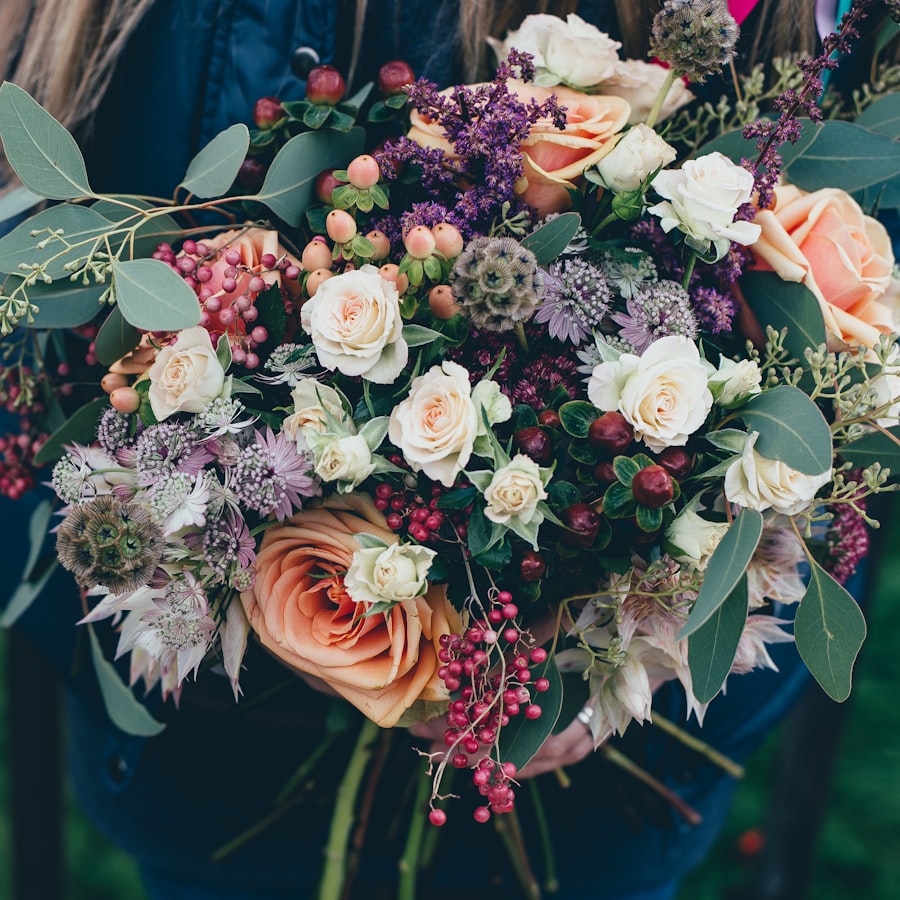
Weddings are where a florist's reputation is made — and where sourcing has the least room for error. There are no second chances on the day, quantities are large, quality expectations are high, and the whole event runs to a fixed clock. This guide is a practical playbook for florists and event designers: the pieces you build, the flowers that deliver, the palettes that sell by season, and — crucially — how to source and buy for a wedding so the flowers arrive perfect and you do not drown in waste.
The pieces of a wedding
A wedding flower order is really a set of distinct pieces, each with its own requirements:
- The bridal bouquet: the hero piece, photographed endlessly, built on the best focal flowers.
- Bridesmaids' bouquets: smaller echoes of the bridal, usually in the same palette.
- Buttonholes / boutonnières and corsages: small, sturdy, made from robust flowers that survive being pinned and worn for hours.
- Ceremony flowers: arch, aisle, altar and pew arrangements — often large, structural, and reliant on greenery and volume.
- Reception flowers: centrepieces, top-table and cake flowers, where impact-per-euro matters across many tables.
- Installations: arches, hanging and statement pieces built on volume flowers and greens.
Understanding the pieces is how you turn "wedding flowers" into a costed, sourceable order.
The best wedding flowers
Certain flowers earn their place at weddings again and again because they combine beauty with reliability:
- Roses — the backbone: whites, blush pinks and garden-style roses for bouquets and centrepieces.
- Hydrangeas — instant lush volume for bouquets, centrepieces and installations.
- Garden and spray roses — romance and softness at focal and secondary levels.
- Carnations and spray carnations — quietly essential for volume, colour and value, and far more design-led than their reputation suggests.
- Chrysanthemums (disbud and spray) — structure and volume, especially in autumn palettes.
- Gypsophila — from delicate accents to full massed, on-trend designs.
- Eucalyptus and structured greens — the defining framework of modern natural wedding style.
A well-built wedding leans on a small number of focal flowers and a generous supporting cast of secondary flowers, fillers and greens — which is also how you keep it affordable.
Seasonal palettes
Weddings follow the seasons, and buying with the season means better quality, better prices and better availability.
- Spring: soft pastels — blush, peach, lilac, cream — with fresh greens.
- Summer: brights and bold whites, full blooms, garden style.
- Autumn: rust, burgundy, gold and antique tones; hydrangeas in their vintage shades, warm chrysanthemums.
- Winter: deep reds, pure whites, rich greens and touches of texture for festive elegance.
Selling couples on a palette that matches their season is the single easiest way to deliver a better wedding for less.
Quantities and planning
Wedding quantities are larger and less forgiving than everyday work, so plan generously. Build each piece from a clear recipe (focal count, secondary count, filler-and-green volume), add a sensible overage for breakage, mistakes and last-minute changes — professionals routinely order a margin above the strict count — and consolidate the whole event into one coordinated order rather than piecing it together. Ordering short to save money is a false economy at a wedding; running out on the day costs far more than a few extra stems.
Sourcing and cold chain for weddings
For a wedding, freshness discipline is everything, because the flowers must peak on a specific day, not before and not after. That means buying flowers slightly closed so they open to perfection on the day, timing the delivery so there is enough runway to condition and arrange but not so much that flowers over-blow, and protecting the cold chain ruthlessly from arrival to venue. Thirsty flowers like hydrangeas need extra hydration attention; robust flowers like carnations and chrysanthemums are your friends for pieces made days ahead. Sourcing from a supplier who can commit the exact varieties, colours and grades ahead of the date — rather than leaving you to the spot market — is what removes the risk.
The wedding timeline
A workable professional rhythm looks like this: confirm the design and flower list well ahead; place the wholesale order early to lock varieties, colours and grades — especially for peak wedding months; take delivery with enough lead time to condition; condition every stem (fresh cut, clean water, flower food, a cool deep drink); build the sturdy pieces first (buttonholes, structural work) and the delicate, hydration-hungry pieces closest to the day; and transport and install with the flowers kept cool until the last possible moment. The whole plan works backwards from the ceremony hour.
How to buy wedding flowers wholesale without waste
The two failure modes are ordering short (running out) and ordering blind (wrong grades, wrong timing, tired flowers). Beat both by working from costed recipes, committing your order early with a supplier who can guarantee the varieties and grades, building in a modest overage, and protecting the cold chain on your side. Waste at a wedding usually comes from panic buying and last-minute substitutions — exactly what early, committed sourcing prevents.
Buyer's FAQ
What are the best flowers for a wedding?
Roses (including garden and spray), hydrangeas, carnations and spray carnations, chrysanthemums, gypsophila, and eucalyptus and structured greens — a small focal cast supported generously by secondary flowers, fillers and greens.
How far in advance should a florist order wedding flowers?
Place the wholesale order early enough to lock varieties, colours and grades — well ahead for peak wedding months — then time delivery to leave runway for conditioning without letting flowers over-blow.
How many extra flowers should I order for a wedding?
Always build in a sensible overage above the strict recipe count for breakage, error and last-minute change. Running out on the day costs far more than a few spare stems.
Should wedding flowers be delivered open or closed?
Slightly closed, so they open to their peak on the day. Time the delivery and conditioning so the flowers reach perfection at the ceremony, not before.
Which wedding flowers are most reliable to work with?
Carnations, spray carnations and chrysanthemums are exceptionally robust and long-lasting — ideal for pieces made ahead — while roses and hydrangeas deliver the hero impact with a little more care.
Sourcing weddings through Vibra
At Vibra we help florists and event designers source weddings with confidence — committing the exact varieties, colours and grades ahead of the date across Colombia and Ecuador, consolidating the whole event into one coordinated order, and protecting the cold chain so the flowers peak on the day. Tell us about the weddings you serve and we will build a sourcing plan around your calendar.
Build your program
Tell us what you need. We will bring the right flowers, growers, and solutions together.
Request a quote