
The Complete Guide to Wholesale Roses
Everything a wholesale buyer needs to know about roses — anatomy, grades, colours, top varieties, seasonal peaks, care and pricing — in one comprehensive guide.
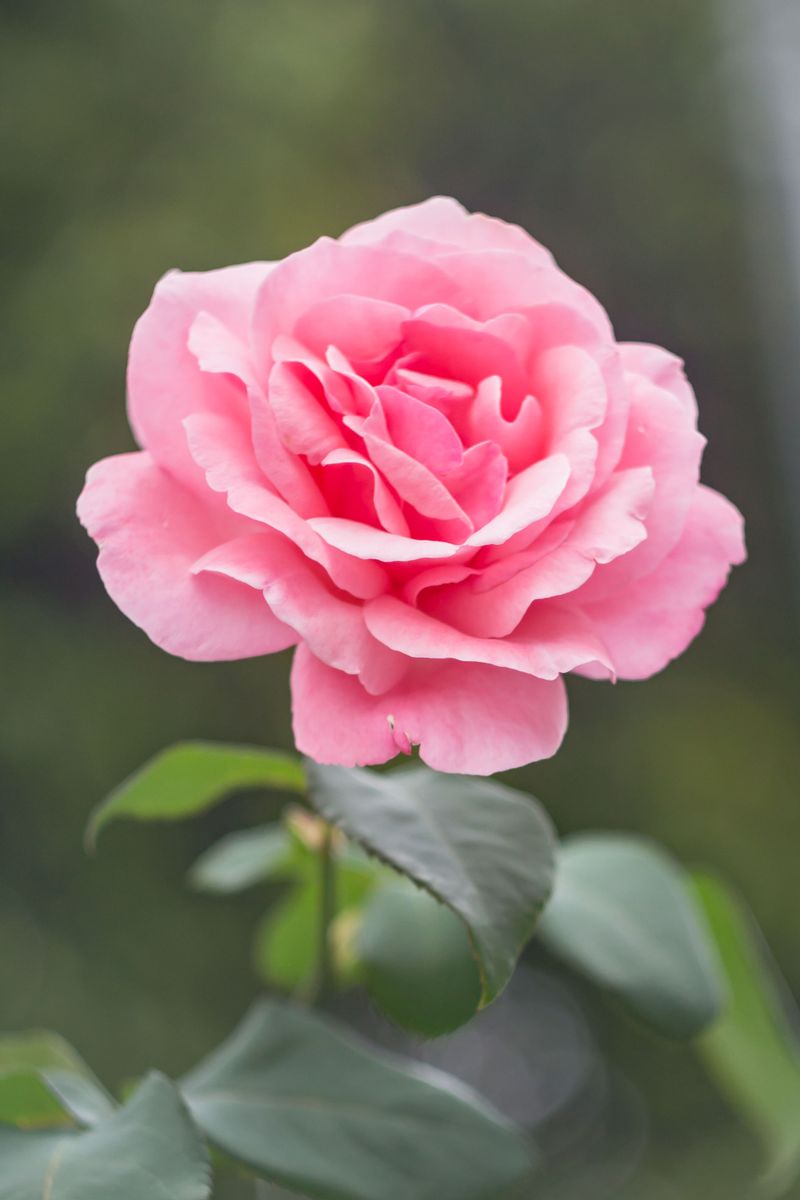
The rose is the single most important product in the cut-flower trade. It anchors the biggest sales event of the year, it appears in more arrangements than any other flower, and it is the product on which most buyers judge a supplier. Yet "a rose" hides an enormous range of grades, colours, varieties and price points. This guide brings the whole picture together for the wholesale buyer — the florist, the bouquet maker, the importer and the supermarket program manager — so you can buy roses with confidence all year round.
Why roses dominate the flower trade
No other flower combines the reach of the rose. It carries the weight of Valentine's Day, the world's largest single flower event; it is the default flower for romance, luxury, sympathy and celebration; and it works equally well as a solo focal flower and as the backbone of a mixed bouquet. For a grower, roses reward scale and specialisation; for a buyer, they are the product where consistency matters most, because your customers notice a bad rose faster than a bad anything-else.
The great rose-growing regions of Colombia and Ecuador supply much of the world precisely because their high-altitude, equatorial farms produce the long stems, large heads and colour intensity that premium markets demand. Understanding roses, then, is really understanding the heart of the trade.
Rose anatomy: what you are actually buying
Before grades make sense, it helps to know the parts. The head (or bloom) is the flower itself; its size and form drive most of the perceived value. The stem carries the head; its length and straightness are graded and priced. The foliage is the leaf; clean, healthy, deep-green foliage signals a well-grown, well-handled stem. The guard petals are the outer petals that protect the bloom in transit — they often look bruised and are meant to be removed, not a sign of a bad flower. Knowing this last point alone saves buyers from rejecting perfectly good boxes.
How roses are graded
Grading is the shared language that lets you buy a crop you have not seen. Two measurements do most of the work.
Stem length is graded in centimetres — commonly 40, 50, 60, 70, 80, 90 and above. Longer stems come from stronger, more mature plants and cost more. Longer is not automatically better: a compact gift bouquet or a supermarket bunch is built more economically on 40–50cm, while luxury events and tall designs need 60–90cm.
Head size matters as much as length, especially at the premium end. A larger, well-formed head reads as luxury and opens beautifully. Some varieties are prized specifically for their big heads.
Beyond the two numbers, a serious grade also reflects uniformity (every stem in the bunch behaving the same), stage of opening (tight enough to travel, open enough to perform), foliage condition and freedom from damage or disease. Tight, consistent grading is where quality lives; loose grading is where nasty surprises hide.
Rose colour families and what they sell for
Thinking in colour families helps you build a range that sells all year, not just in February.
- Red is the anchor: Valentine's Day, romance and luxury. Depth of colour and large heads define the premium tier, and demand spikes so hard in February that committing red volume early is the most valuable booking decision a rose buyer makes.
- White and cream are the workhorses of weddings, events and sympathy, where uniformity and clean, unblemished heads matter because they are used en masse.
- Pink and pastel — soft pinks, peaches and blushes — are the everyday sellers that keep a program turning between peaks.
- Bright and novelty — orange, yellow, bicolour and tinted roses — add energy, refresh a tired range and shine in autumn palettes and celebrations.
- Garden and specialty roses, fuller and more romantic, command a premium for weddings and high-end design.
Best-selling rose types by use
Rather than chase variety names, match roses to jobs. For Valentine's and romance, long-stem premium reds. For weddings, uniform whites, blush pinks and garden-style roses in 50–70cm. For everyday retail and gifting, efficient 40–50cm pinks and brights in strong bunch counts. For luxury and event design, 70–90cm with the largest heads. For supermarket programs, consistent mid-grades with reliable vase life and predictable weekly volume. A good rose program is essentially a grid of colour against grade, mapped to your customers.
The rose calendar: seasonal peaks and lead times
Roses are available year-round from equatorial farms, but demand is anything but flat. The key is that a rose sold on 14 February was a growing decision made the previous October. The peaks that move the rose market are Valentine's Day (the giant), Mother's Day across its various national dates in spring, and to a lesser extent Women's Day and the winter holidays. For each peak your program serves, work backwards, add the farm's preparation window, and commit before that window closes — for the big red peak, that means booking in the previous quarter. Buyers who get the grades and colours they want are the ones who booked while the crop was still a plan.
Cold chain and vase life
Vase life is won or lost in the hours after cutting. Roses should be cooled quickly after harvest and held at a low, stable temperature through the entire journey to your door. On arrival, give every stem a fresh diagonal cut, use clean water with the correct flower food, and let them hydrate in a cool spot before display. Kept cool and clean, quality roses reliably deliver a strong vase life; abused in a broken cold chain, even the best crop disappoints. When you evaluate a rose supplier, ask about the cold chain first, not last.
How rose pricing works
The price of a rose stacks up from several layers: the farm cost of growing to a given grade, freight (roses are perishable and mostly fly under refrigeration), the grade itself (length and head size), and season (peak demand lifts prices across the market). The most common buyer mistake is spot-buying in the final week before a peak, which means paying whatever the tight market asks and taking whatever grades remain. Committing volume ahead of the season locks in both grades and a steadier price. And remember that a low headline price on weak grades with poor cold chain is not cheap — it is expensive in shrinkage.
Buyer's FAQ
What is the most popular rose stem length?
For everyday retail, 40–50cm dominates on price and practicality; 60cm is the versatile all-rounder; 70cm and above is event and luxury territory. Buy the length that matches the job rather than defaulting to the longest.
How long do roses last in the vase?
Well-grown, well-handled roses that stayed cold through the chain typically give a strong week or more once conditioned. The single biggest variable is the cold chain from farm to shelf, followed by conditioning on arrival.
Why do my roses have damaged outer petals?
Those are usually guard petals, left on deliberately to protect the bloom in transit. Peel them off and the true bloom underneath is clean. It is a sign of protection, not poor quality.
When should I book roses for Valentine's Day?
For the big red peak, commit in the previous quarter. By January the best grades are largely spoken for, and final-week spot buying means higher prices and whatever is left.
Colombian or Ecuadorian roses — which are better?
Both are world-class; the honest answer is that the best region depends on the variety and grade you need. Working across both origins lets a supplier match each order to the farm that grows it best and protects you against a single farm's bad week.
Buying roses through Vibra
At Vibra, roses are selected across Colombia and Ecuador for freshness, colour and performance, graded to one consistent standard, and planned around the peaks so your grades are protected before the market tightens. Whether you need everyday pastels, a supermarket program or long-stem premium reds for Valentine's, we build the assortment around how you actually sell. Tell us how you buy roses and we will put a program together with you.
Build your program
Tell us what you need. We will bring the right flowers, growers, and solutions together.
Request a quote