
The Longest-Lasting Cut Flowers: A Vase-Life Comparison
Which cut flowers give you the most days per stem — a ranked vase-life comparison, why some last weeks and others days, and how to get the most from each.
If you want the most value — and the least waste — from flowers, vase life is the number that matters. Some flowers hold for weeks; others fade in days. This guide ranks the common cut flowers by how long they last, explains why, and shows how florists and wholesalers use long-lasting flowers to protect their margins. It is equally useful whether you are buying by the boxful or the bunch.
Why vase life varies so much
Vase life depends on the flower's biology (how it drinks and how fast it ages), its sensitivity to ethylene gas, and — hugely — how it was handled before it reached you. A tough, low-ethylene flower like a carnation is built to last; a delicate, thirsty one like a dahlia is not. But even the toughest flower fails fast if the cold chain was broken on the way, and even a shorter-lived flower performs at its best when it arrived fresh and is cared for well. Biology sets the ceiling; handling decides how close you get to it.
Cut flowers ranked by vase life
The table below ranks common cut flowers from longest to shortest typical vase life, assuming good handling and care.
| Rank | Flower | Typical vase life | Ethylene sensitivity |
|---|---|---|---|
| 1 | Carnation | 2–3 weeks | Sensitive (treated at good farms) |
| 2 | Chrysanthemum | 2–3 weeks | Low |
| 3 | Alstroemeria | 1.5–2 weeks | Moderate |
| 4 | Gypsophila | 1.5–2+ weeks | Low |
| 5 | Limonium (statice) | 1.5–2+ weeks | Low |
| 6 | Orchid (many types) | 1.5–3 weeks | Sensitive |
| 7 | Rose | 1–2 weeks | Moderate |
| 8 | Lily | 1–2 weeks | Moderate |
| 9 | Gerbera | 1–1.5 weeks | Low |
| 10 | Sunflower | 6–10 days | Low |
| 11 | Hydrangea | 5–10 days | Low but very thirsty |
| 12 | Tulip | 5–7 days | Moderate |
| 13 | Dahlia | 4–7 days | Sensitive |
| 14 | Ranunculus | 5–7 days | Moderate |
The long-life champions
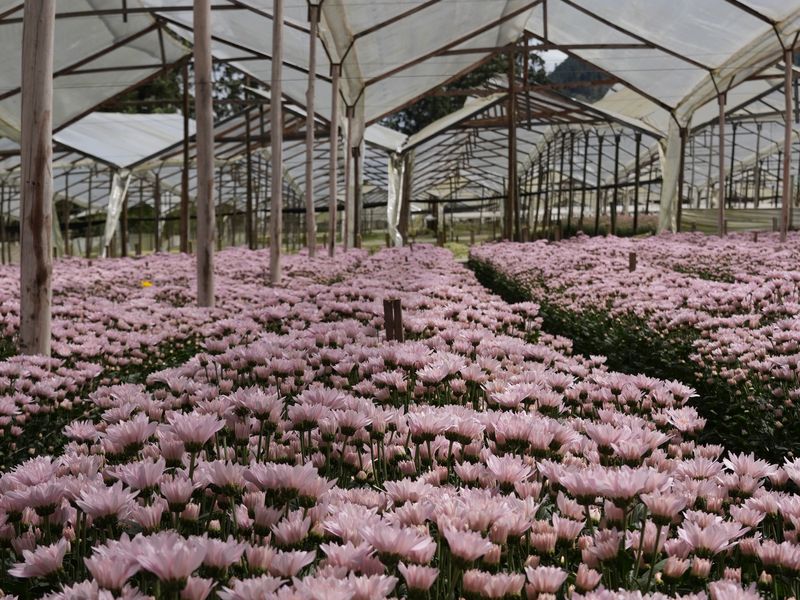
Carnations and chrysanthemums are the undisputed leaders, routinely giving two to three weeks and often more. Both come in huge colour ranges and cost far less than focal flowers, which is why they are the backbone of value bouquets and supermarket programs. Alstroemeria, gypsophila and limonium are close behind and add texture and volume that lasts, frequently outliving the focal flowers in the same vase. Building a range around these means lower waste without lower quality.
The short-lived beauties
Tulips, dahlias and ranunculus are shorter-lived, but nobody buys them for endurance — they are bought for their unmatched seasonal beauty. The trick is to treat them accordingly: buy them fresh and close, keep them cool, and sell or use them quickly rather than expecting a long shelf life. Hydrangeas are a special case — capable of a decent run if their heavy thirst is managed, and prone to collapse if it is not.
How buyers use vase life to cut waste
For a florist or wholesaler, vase life is a profit lever. Flowers that last are flowers that sell rather than get marked down or binned, so anchoring a range with long-lasting flowers directly lowers shrinkage — the quiet killer of flower-shop margins. A smart assortment leads with a few beautiful focal flowers for impact and fills out with long-lasting workhorses for value, matching the flower's longevity to how quickly it will actually sell.
Buyer's FAQ
What is the longest-lasting cut flower?
Carnations and chrysanthemums top the list, both routinely lasting two to three weeks (and often more) with good care — far beyond most other cut flowers.
Why do some flowers last so much longer than others?
It comes down to biology (how they drink and age), ethylene sensitivity, and handling before purchase. Tough, low-ethylene flowers like carnations last for weeks; delicate, thirsty ones like dahlias last days.
Do long-lasting flowers cost more?
Usually the opposite — carnations, chrysanthemums and fillers like gypsophila are among the most affordable flowers and the longest-lasting, which is exactly why they are so valuable for low-waste programs.
How can I make short-lived flowers last a bit longer?
Buy them fresh and slightly closed, keep them cool and out of sun, re-cut stems and change water often, and keep them away from ripening fruit. It will not turn a tulip into a carnation, but it maximises what you have.
Which flowers are best for low-waste retail?
Carnations, chrysanthemums, alstroemeria, gypsophila and limonium — long vase life at a low cost, ideal for high-turnover and supermarket programs.
Buy for longevity, built on freshness
The longest vase life starts with the freshest box — biology sets the ceiling, but the cold chain decides how close you get. At Vibra, freshness and consistent handling across Colombia and Ecuador are the foundation of the vase life you actually get. Tell us what you sell and we will help you build a low-waste, long-lasting range.
Build your program
Tell us what you need. We will bring the right flowers, growers, and solutions together.
Request a quote