
Importing Flowers from Colombia and Ecuador to Europe: How It Works
The journey from an Andean farm to a European shelf — freight, cold chain, customs and lead times — and why a consolidating partner makes it simple.
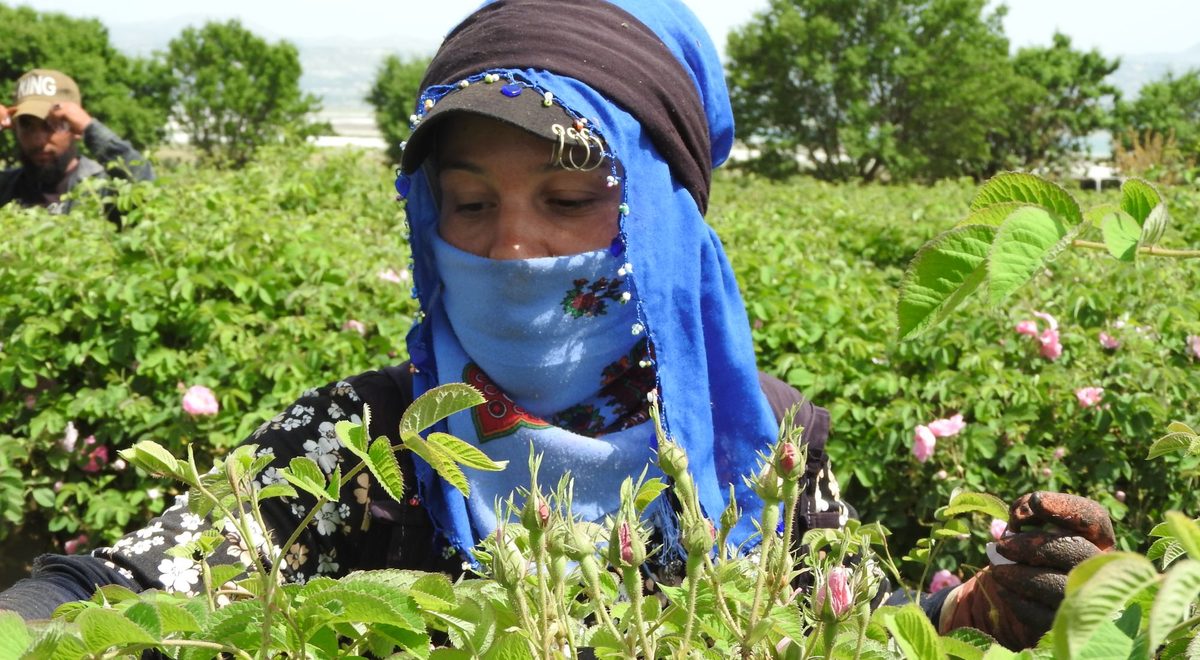
Colombia and Ecuador supply a large share of the world's cut flowers, and much of that volume moves to Europe every week. For a buyer, understanding how that journey works — and where it can go wrong — is the difference between a program that runs itself and one that surprises you.
Why South America feeds the world's vases
High-altitude farms near the equator get intense, consistent light and cool nights year-round. That combination produces roses with long, straight stems and large heads, carnations with exceptional vase life, and hydrangeas with dense, colour-true blooms. It is not luck — it is geography plus decades of accumulated growing knowledge.
The journey, step by step
Flowers are cut, graded and cooled at the farm, then moved under refrigeration to a dispatch hub near the airport — El Dorado (BOG) in Bogotá or Quito (UIO) in Ecuador. From there they fly to a European gateway, clear customs, and move on to the buyer. The whole trip is a race against time, run inside an unbroken cold chain.
Where cold chain makes or breaks the box
Every hour a flower spends warm is vase life you cannot get back. The strongest supply chains hold a low, stable temperature from the moment of harvest all the way to handover. When you evaluate an importer, the cold chain is the first thing to ask about — not the last.
Customs and documentation
Cross-border flower shipments need correct phytosanitary certificates and import paperwork. Handled well, this is invisible to the buyer; handled badly, it means product sitting warm on a tarmac. This is one of the biggest reasons buyers prefer to work through a partner who manages the paperwork as a matter of routine.
Lead time is the hidden variable
Because the selling date and the growing decision can be months apart, the buyers who get the grades they want are the ones who commit early — especially before the big peaks. Spot buying in the final week means taking whatever is left.
Why a consolidating partner simplifies everything
Instead of coordinating multiple farms, freight, customs and cold chain yourself, a consolidating partner brings different products from different growers into one coordinated order, under one quality standard, with one point of contact. That is exactly what Vibra does across Colombia and Ecuador. Tell us where you are and what you need and we will map the route for your program.
Build your program
Tell us what you need. We will bring the right flowers, growers, and solutions together.
Request a quote