
Sustainability and Certifications in Floriculture: The Complete Guide
What "sustainable flowers" really means — the major certifications, what they cover, why buyers increasingly ask, and how to source responsibly from Colombia and Ecuador.
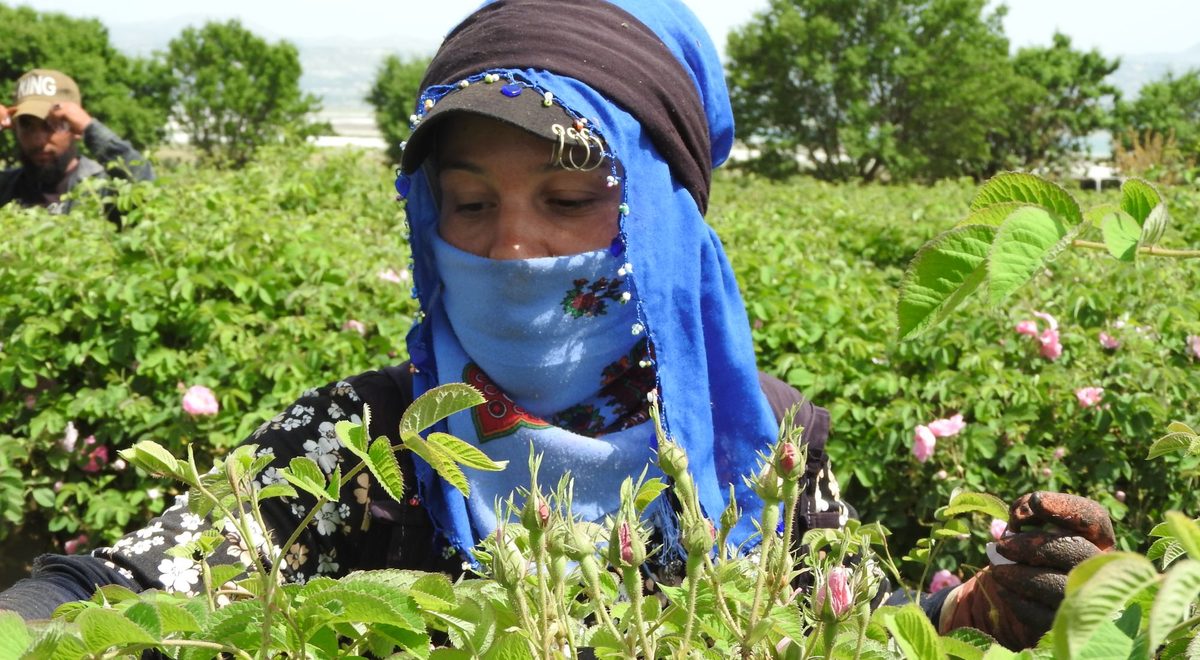
Sustainability has moved from a nice-to-have to a purchasing criterion in the flower trade. Retailers ask about it, end customers increasingly care, and buyers need to be able to answer honestly where their flowers come from and how they were grown. But "sustainable flowers" is a phrase that hides a lot of detail — environmental, social and economic — and a thicket of certifications. This guide explains what sustainability actually means in floriculture, what the major certifications cover, and how to source responsibly from the great growing regions of Colombia and Ecuador.
Why sustainability is now a buying criterion
Three forces have made sustainability commercial. Retail and supermarket buyers now require credentials and traceability from their suppliers; end consumers, especially younger ones, increasingly choose products with a visible ethical story; and the industry itself has learned that responsible farms are usually better-run farms, with more consistent quality and more stable supply. For a buyer, being able to speak credibly about how your flowers are grown is no longer optional — it is part of winning and keeping accounts.
The three pillars of sustainable floriculture
Genuine sustainability rests on three legs, and a serious program addresses all of them.
- Environmental: responsible water use, integrated pest management to reduce chemical inputs, soil health, waste reduction and energy/carbon management.
- Social: fair wages, safe working conditions, workers' rights, healthcare and community investment — floriculture is a major employer in its growing regions, so labour standards matter enormously.
- Economic: viable, stable farms that can invest for the long term, pay fairly and maintain quality — sustainability that does not pay for itself does not last.
A certification or claim that covers only one pillar tells you only part of the story.
The major certifications explained
Several certifications recur in the trade. Knowing what each covers lets you read a supplier's credentials accurately.
- Florverde Sustainable Flowers: a leading standard particularly associated with Colombia, covering social and environmental criteria — water, pesticide use, waste and workers' conditions — with independent auditing. Widely recognised in the Colombian flower sector.
- Rainforest Alliance: a broad international standard covering environmental protection, biodiversity, and workers' and communities' wellbeing, recognised across many crops including flowers.
- MPS (More Profitable Sustainability): a Dutch-origin family of certifications (such as MPS-ABC for environmental registration and MPS-SQ for social qualifications) widely used across the international floriculture supply chain.
- Fairtrade: focused on fair terms and a premium for workers, with strong social and community investment criteria; common on flowers sold in several European retail markets.
- GLOBALG.A.P.: a farm-level good-agricultural-practice standard covering food and non-food crops, including aspects relevant to floriculture.
No single certification is "the" answer; different markets and retailers recognise different ones, and many good farms hold several. What matters is independent auditing and coverage across the three pillars.
Water, chemicals and carbon
A few environmental topics come up repeatedly and are worth understanding.
Water is central: flowers need irrigation, and responsible farms manage it carefully through efficient irrigation, capture and reuse, and monitoring. Chemical inputs are reduced through integrated pest management — using biological controls and targeted, minimal treatment rather than blanket spraying — which is better for workers, ecosystems and end product alike. Carbon is the newer frontier: because much of the world's flowers travel by air, the transport footprint is real, and the industry is increasingly measuring and working to reduce it, alongside the energy used in growing and cooling. A credible sustainability story acknowledges all three honestly rather than claiming perfection.
The reality of air freight
It is worth being straight about this, because buyers ask. Flowers from Colombia and Ecuador reach distant markets largely by air, which carries a carbon cost. The counterpoint is that equatorial, high-altitude farms grow flowers in natural light and mild conditions year-round, often with a lower growing footprint than heated greenhouses in colder climates during their off-seasons — so the full picture is more nuanced than "local always wins." The responsible position is neither to greenwash nor to dismiss the concern, but to measure honestly, reduce where possible, and give buyers accurate information to make their own decisions.
How to source responsibly
For a buyer, responsible sourcing comes down to a few practical habits: ask suppliers about their certifications and which pillars they cover; prefer independently audited standards over vague self-claims; value traceability — knowing which farms your flowers come from; and build stable, long-term relationships, because ongoing programs let farms invest in doing things properly in a way that one-off spot buying never can. Sustainability and good commercial practice tend to point the same way: toward transparent, committed partnerships with well-run farms.
Buyer's FAQ
What does "sustainable flowers" actually mean?
Flowers grown with responsible environmental practices (water, reduced chemicals, waste, carbon), fair and safe social conditions for workers, and economically viable farms — all three pillars, ideally verified by independent certification.
What are the main flower sustainability certifications?
Florverde (strong in Colombia), Rainforest Alliance, the MPS family, Fairtrade and GLOBALG.A.P. are the most common. Different markets recognise different ones, and many good farms hold several.
Are imported flowers bad for the environment?
It is more nuanced than it sounds. Air freight carries a real carbon cost, but equatorial farms growing in natural year-round light can have a lower growing footprint than heated greenhouses in cold climates. The honest approach is to measure, reduce and inform rather than assume.
How can I tell if a supplier is genuinely sustainable?
Look for independently audited certifications covering all three pillars, traceability to specific farms, and a willingness to talk honestly about water, chemicals and carbon rather than vague marketing claims.
Why does sourcing responsibly favour long-term partnerships?
Because stable, ongoing programs let farms invest in doing things properly — in water systems, worker conditions and quality — in a way that one-off spot buying cannot support.
Responsible sourcing with Vibra
At Vibra we work through a network of strategic growing partners across Colombia and Ecuador chosen for their standards as well as their flowers, with the traceability and long-term relationships that responsible sourcing depends on. Tell us what your customers ask for and we will help you source flowers you can stand behind.
Build your program
Tell us what you need. We will bring the right flowers, growers, and solutions together.
Request a quote