
Types of Roses: The Complete Guide to Rose Varieties, Colours and Forms
Every kind of rose explained — by form (standard, spray, garden), by colour and by use — with a comparison table and the best-known varieties for each.
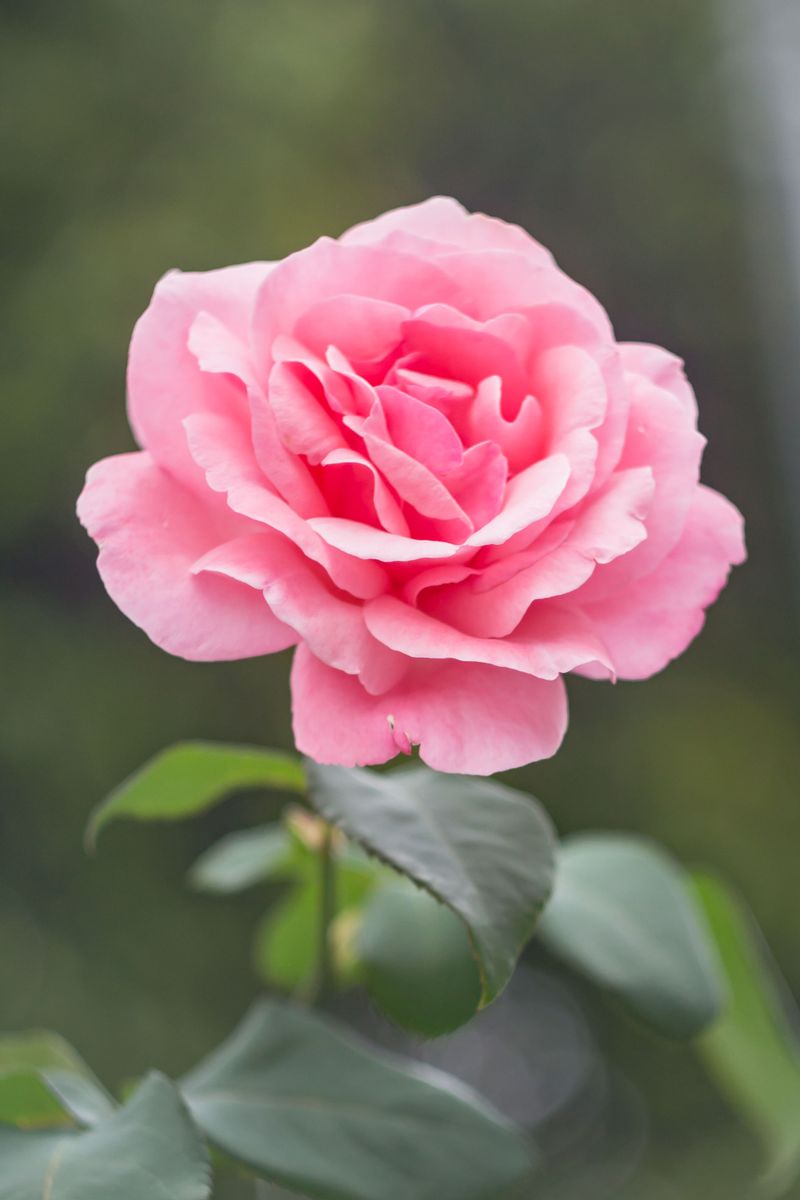
"Rose" is one word for an enormous family. There are thousands of named varieties, in every colour and a range of forms, from the single long-stemmed classic to the full, romantic garden rose. This guide organises them the way florists and buyers actually think — by form, by colour and by use — so you can choose the right rose for any job, with a comparison table to pull it all together.
Why there are so many types of roses
Roses have been bred for centuries, which is why the family is so vast. For the cut-flower world, the useful distinctions are not the botanical class names but three practical questions: what form is the rose (one big bloom per stem, several smaller, or full and ruffled?), what colour is it (which changes its meaning entirely), and what grade is it (stem length and head size, which set the price). Get those three right and you have chosen the perfect rose. For the trade side, see our wholesale roses guide.
Types of roses by form
| Type | Form | Best for |
|---|---|---|
| Standard (long-stem) rose | One large bloom per stem | Romance, luxury, Valentine's, tall designs |
| Spray rose | Several small blooms per branched stem | Bouquets, weddings, softness and spread |
| Garden rose | Full, many-petalled, often fragrant | Luxury weddings, romantic design |
Standard (long-stem) roses are the classic — a single, elegant bloom on a long straight stem, graded by length from 40cm up to 90cm and beyond. They are the backbone of romance and luxury work and the stars of Valentine's Day.
Spray roses carry several smaller blooms on a branched stem, giving more flowers per stem and a softer, more natural look. They act as a secondary flower, filling and framing bouquets beautifully, and are a wedding staple.
Garden roses are the fullest and most romantic — dozens of ruffled petals, often with a wonderful fragrance, in a cabbage-like or cupped form. Made famous by breeders like David Austin, they command a premium and define the luxury and wedding end of the range.
Types of roses by colour and meaning
With roses, colour is everything — it changes the message entirely. Here is the short version; the full breakdown is in our dedicated rose colours and meanings guide.
| Rose colour | Meaning |
|---|---|
| Red | Love and passion |
| Pink | Gratitude, admiration, grace |
| White | Purity, weddings, sympathy |
| Yellow | Friendship and joy |
| Orange | Enthusiasm and energy |
| Peach | Sincerity and gratitude |
| Lavender | Enchantment, love at first sight |
| Burgundy | Deep, committed love |
Popular rose varieties
Within each form and colour sit the named varieties growers and florists know by heart. A few of the best-known, to give a feel for the range:
- Red: Freedom, Explorer, Red Naomi — the great Valentine's reds, prized for deep colour and large heads.
- White & cream: Playa Blanca, Mondial, Vendela — wedding and sympathy classics.
- Pink: Pink Floyd, Rosita Vendela, Mandala — from soft blush to vivid pink.
- Peach & "nude": Shimmer, Quicksand, Toffee — the fashionable muted tones.
- Garden: David Austin varieties such as Juliet and Keira — the romantic luxury end.
Variety names and availability shift with season and fashion, but asking for a rose by named variety is the surest way to get the exact colour and form you want.
Rose grades: stem length and head size
Beyond form and colour, roses are graded by stem length (40, 50, 60, 70, 80, 90cm+) and head size. Longer stems and larger heads come from stronger plants and cost more — but longer is not always better. Match the grade to the job: efficient 40–50cm for everyday bouquets, 60cm as the all-rounder, and 70–90cm for luxury and tall event work. Full detail in our flower grading guide.
Caring for roses
Roses reward a little care with a strong vase life. Remove the guard petals (the bruised-looking outer petals left on to protect the bloom in transit — they are meant to come off), give each stem a fresh diagonal cut, use clean water with flower food, strip leaves below the waterline, and keep them cool. If a rose droops at the neck ("bent neck"), an early re-cut and a deep cool drink often revives it. More in our flower care guide.
Frequently asked questions
What are the main types of roses?
For cut flowers, three forms matter: standard (long-stem) roses with one bloom per stem, spray roses with several smaller blooms per stem, and full, fragrant garden roses. Within each, roses come in every colour and a range of grades.
What is the difference between a standard rose and a spray rose?
A standard rose has one large bloom on a single long stem; a spray rose carries several smaller blooms on a branched stem, giving more flowers per stem and a softer look.
What are garden roses?
Garden roses are full, many-petalled, often highly fragrant roses with a romantic cabbage-like form — made famous by breeders like David Austin. They are a premium choice for luxury weddings and design.
What do the different rose colours mean?
Red is love, pink is gratitude and admiration, white is purity and sympathy, yellow is friendship, orange is enthusiasm, peach is sincerity, lavender is enchantment, and burgundy is deep committed love. See our full rose colours guide.
How long do roses last in the vase?
Well-grown, well-handled roses typically last one to two weeks. The keys are freshness at purchase (an unbroken cold chain), a fresh cut, clean water with flower food, and keeping them cool.
The right rose, always in stock
From everyday pastels to long-stem luxury reds and romantic garden roses, having the right rose fresh and on time is what matters. At Vibra, roses are selected across Colombia and Ecuador in the full range of forms, colours and grades, and planned around the peaks. Tell us how you sell roses and we will build the selection with you.
Build your program
Tell us what you need. We will bring the right flowers, growers, and solutions together.
Request a quote